Crown Thinning in Raynespark
If you are looking for crown thinning in Raynespark, you are likely trying to achieve a better balance between tree health, light, safety, and appearance without removing the tree entirely. For many homes and businesses in the area, a well-managed tree can add privacy, character, and value. But when the canopy becomes too dense, it can also block daylight, catch the wind, overhang roofs, or make gardens feel smaller than they should. That is where careful crown thinning becomes a practical and attractive solution.
Raynespark has a mix of properties that can benefit from this type of tree work, from family homes with mature gardens to commercial premises, shared driveways, and streets lined with established trees. Local conditions matter too. Narrow access routes, parking limitations, boundary fences, and nearby neighbours all affect how tree care should be carried out. Choosing a local team for crown thinning in Raynespark means working with people who understand these everyday challenges and can plan the job around them sensibly.
Crown thinning is not the same as heavy reduction or topping. It is a skilled pruning method that removes selected branches from within the canopy to improve light penetration, reduce wind resistance, and tidy the overall shape while keeping the natural size of the tree largely intact. Done well, it helps trees stay healthy and visually appealing. Done badly, it can leave the tree unbalanced, stressed, or vulnerable. That is why customers in Raynespark usually want a service that is precise, respectful of the tree, and tailored to the site rather than one-size-fits-all.
What crown thinning actually involves

Crown thinning is the selective removal of branches across the tree’s canopy. The goal is to reduce density while preserving the overall outline and natural appearance. Instead of shortening everything evenly, the arborist identifies branches that are crossing, crowded, poorly placed, or adding unnecessary weight, then removes them carefully. This helps the remaining branches receive better airflow and light.
The work is usually carried out with an eye on structure and tree health. The arborist will look at the species, age, condition, and location of the tree before deciding how much to thin. Some trees only need a light touch, while others may benefit from a more considered approach because they are blocking too much light into a home or causing excess shade in a garden. In Raynespark, this is especially useful where mature trees sit close to terraced houses, semi-detached properties, or shared boundaries.
It is important to note that crown thinning should always be measured and selective. The tree should still look natural after the work is completed. A good result is one where the canopy is less dense, the tree catches less wind, and the garden feels brighter, but the tree still looks like a healthy mature specimen rather than a heavily altered one.
Why local property owners request this service
Many local customers ask for crown thinning because the tree has become too dominant over time. In residential settings, common reasons include darker rooms, mossy lawns, reduced enjoyment of the garden, and branches rubbing against roofs or gutters. In commercial settings, the priorities may include improved visibility, safer pedestrian routes, less leaf fall in busy areas, and a more welcoming frontage.
Well-executed crown thinning can be a practical compromise: it keeps the benefits of the tree while reducing some of the common frustrations that come with dense growth. For people in Raynespark who want to preserve mature trees but make them more manageable, it is often the most suitable option.
Benefits of crown thinning for Raynespark homes and businesses

One of the biggest advantages of crown thinning is improved light. Many gardens in and around Raynespark have established trees that have been in place for years. As canopies develop, they can reduce sunlight in living spaces and outdoor areas. Thinning the crown allows more natural light to pass through without stripping the tree of its character.
Another benefit is wind reduction. Dense canopies act like sails in strong gusts. By allowing air to move more freely through the tree, thinning can reduce the strain on major limbs and the overall movement of the tree during windy weather. This is especially valuable near exposed corners, along open streets, or where trees stand close to structures.
A third benefit is a tidier visual appearance. Trees do not need to look overly uniform to look cared for. In fact, the best results often come from subtle adjustments that make the canopy feel lighter and better shaped. For homeowners who take pride in their front garden or rear garden, that can make a noticeable difference to the whole property.
Other practical advantages
- Better airflow through the canopy, which can help reduce damp conditions within dense growth.
- Less rubbing between branches, lowering the chance of damage caused by movement in the wind.
- Improved visibility where trees are affecting windows, driveways, pathways, or frontage areas.
- Reduced pressure on overextended limbs.
- More comfortable outdoor spaces for families, tenants, staff, or customers.
For many people, the appeal of crown thinning in Raynespark is that it can solve several problems at once. It supports the tree while also improving day-to-day life on the property.
When the right amount of thinning is carried out, the result should feel natural, balanced, and considerate of the surrounding setting.
How a crown thinning service is typically carried out
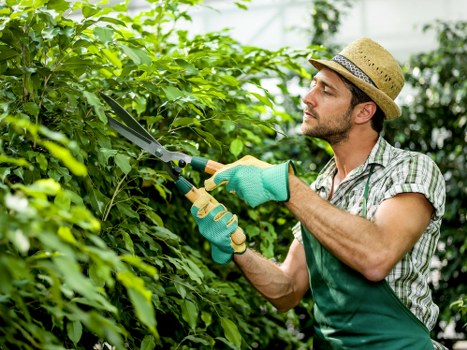
Every tree and every site is different, so the first step is usually a visual assessment. A local tree care professional will look at the species, size, access, nearby structures, and the reasons for requesting the work. This helps determine the appropriate level of thinning and whether any other issues need attention at the same time, such as deadwood, damaged limbs, or branches affecting buildings.
Once the plan is agreed, the arborist will work through the canopy selecting branches for removal. The focus is on keeping the natural form while reducing crowding. Cuts are made to promote sensible regrowth and avoid leaving awkward stubs or exposed weak points. In many cases, the tree is worked from the ground up and from within the crown where safe access is possible, using the right equipment for the site.
Good workmanship matters just as much as good judgement. A properly thinned tree should look as though it has been maintained with care rather than cut back aggressively. The aim is not to force the tree into an unnatural shape but to manage its structure in a way that supports both the property owner and the tree itself.
Typical service steps
- Initial assessment of the tree and surroundings.
- Discussion of the customer’s main concerns, such as shade, wind, or overgrowth.
- Selection of suitable branches for removal.
- Careful pruning to reduce density while protecting structure.
- Clearing and removal of the resulting arisings unless otherwise agreed.
For local customers, one of the biggest advantages of a nearby team is flexibility. Access and parking in Raynespark can vary from street to street, so a local crew is often better equipped to plan around the realities of the job.
What is included in a crown thinning appointment

Customers often want to know exactly what they are paying for. While the details depend on the tree and the site, a professional crown thinning service normally includes an initial look at the tree, agreed pruning work, safe use of appropriate tools, and clearance of debris from the working area. If access is awkward, the team may need to adjust the setup so that work can be completed safely without causing unnecessary disruption.
Depending on the tree and the customer’s priorities, the service may also involve checking for dead, damaged, or crossing branches that should be removed as part of the thinning process. This can improve the quality of the finished result and reduce the likelihood of future problems. In gardens with more than one tree, it may be sensible to compare the canopies and decide whether each one needs the same level of attention.
For commercial customers, the service can also be scheduled with site access and business activity in mind. For example, a frontage tree near a shop, office, or managed property may need work at a time that minimises disruption to customers, residents, or staff. A local team familiar with Raynespark is often better placed to advise on practical timing and setup.
Common additions to discuss during the visit
- Deadwood removal where branches are already dry, brittle, or failing.
- Selective clearance around roofs, fences, pathways, or signage.
- Advice on whether the tree would benefit more from thinning than reduction.
- Recommendations for future maintenance intervals.
- Guidance on how the tree may respond in the months after pruning.
Clarity matters. If you are considering crown thinning in Raynespark, ask what is included before the work begins so you know how the canopy will be treated and what will happen to the waste material afterwards.
Why local knowledge matters in Raynespark
Raynespark has its own character, and tree work has to fit that context. Some properties have front gardens with limited space for equipment. Others sit on narrow residential streets where parking is tight and access must be carefully managed. There are also properties close to boundary lines where branches extend over neighbours’ land, making communication and planning important.
Local tree teams understand these pressures and can plan accordingly. They know that a visit may require sensible timing, careful parking arrangements, and a tidy working method that respects the property and the people nearby. This is particularly important in a place where many customers value a neat finish and want minimal disruption to daily routines.
Raynespark also includes a mix of property styles, from older homes with mature planting to newer developments where trees may have been allowed to establish quickly. Crown thinning can be helpful in both settings. In older gardens, it can reduce shade from long-established trees. In newer properties, it can help prevent a young or medium-aged tree from becoming too dense too soon.
Nearby areas and local surroundings
Customers in surrounding areas such as Wimbledon, Morden, South Wimbledon, Motspur Park, and North Cheam may also look for similar tree care services. A local Raynespark-based or Raynespark-serving team can often cover these nearby locations efficiently, making it easier to arrange site visits and manage repeat maintenance over time.
That local reach is valuable for both private and commercial customers. It means one team can often handle a range of trees across multiple properties, shared residences, or business premises without the customer needing to juggle different providers.
Who benefits from crown thinning?
Crown thinning is suitable for a wide range of customers, provided the tree is in a condition where selective pruning is appropriate. It is often requested by:
- Homeowners wanting more daylight in rooms and gardens.
- Landlords looking to keep rental properties tidy and manageable.
- Managing agents responsible for shared outdoor spaces.
- Businesses that want safer, smarter-looking frontage trees.
- Schools, care properties, and community premises where outdoor safety and visibility matter.
For homeowners, the benefits are usually comfort, appearance, and reduced nuisance. For businesses, it may be about presentation, access, and maintaining a professional environment. For shared properties, it may be about balancing the needs of different users while keeping trees in good condition.
When crown thinning may be especially useful
It is often a strong option if the tree:
- Feels too dense and blocks too much light.
- Catches the wind heavily during bad weather.
- Has crossing or crowded branches inside the crown.
- Sits close to a house, fence, driveway, or public-facing area.
- Has grown enough that the canopy needs to be balanced without being reduced dramatically.
If you are unsure whether thinning is the right choice, a local assessment can help you compare it with other pruning options.
What to expect from a professional finish
A professional crown thinning job should leave the tree looking refined, not stripped. The canopy should appear lighter and more open, but still full enough to feel natural. Good pruning will take the tree’s species and growth habit into account so the result suits the location. A beech, oak, sycamore, cherry, or lime may all require a slightly different approach, even if the customer’s request sounds similar at first.
It is also normal for the tree to need some time to settle after pruning. Leaves may respond differently depending on the season, and the canopy will continue to grow. That is why many customers in Raynespark choose a service that thinks beyond the immediate job and considers how the tree will look and function in the months ahead.
There is real value in restraint. Instead of removing too much, the aim should be to improve the tree’s performance and appearance while keeping it healthy. That balance is especially important in neighbourhoods where mature trees are part of the local character and need to be maintained carefully.
Things customers often appreciate after thinning
- Brighter rooms and more usable garden space.
- Less gust-related movement in the canopy.
- A cleaner, more attractive appearance.
- Reduced overhang in key areas.
- The reassurance that the tree has been treated thoughtfully.
Preparation checklist before the team arrives
A little preparation helps the visit go smoothly. You do not need to do any specialist work yourself, but a few simple steps can make a difference, particularly where access is tight or parking is limited. If you have concerns about a specific boundary, roofline, or neighbour’s garden, it is useful to mention these early so the work can be planned properly.
Before the appointment, consider clearing any moveable items near the tree, such as garden furniture, plant pots, bikes, or bins. If the area is shared, letting residents or neighbours know in advance may help avoid disruption. In properties with restricted parking, saving a space close to the tree or advising the team on access details can be helpful.
It is also worth thinking about what you want the tree to achieve after the work. Do you want more light in a specific room? Less shade over the lawn? Better clearance from the driveway? The more clearly you describe the problem, the easier it is for the arborist to recommend the right level of crown thinning.
Useful preparation points
- Remove loose items around the tree where possible.
- Note any access restrictions, locked gates, or narrow entry points.
- Tell the team about neighbouring boundaries or shared spaces.
- Identify the main issue you want the pruning to solve.
- Ask what will happen to the cut branches and debris.
Good preparation is not about doing the arborist’s job. It is about making the visit simpler, safer, and more efficient for everyone involved.
Pricing factors for crown thinning in Raynespark
Tree work quotes are usually shaped by several practical factors rather than a flat standard rate. Customers often want to understand what affects the cost so they can compare like for like and choose a service confidently. For crown thinning, the main influences are usually the tree’s size, species, condition, access, and the amount of work required.
Larger trees take longer and may require more careful climbing or section-by-section working. Dense or awkward canopies can also increase the time needed. If the site has limited access, parked vehicles nearby, or no straightforward space for equipment and waste removal, that may affect the scope of the job. Likewise, trees close to buildings, conservatories, garages, or overhead features may need a more cautious approach.
Customers in Raynespark should also keep in mind whether the job includes extra tasks such as deadwood removal, clearing branches over a fence line, or dealing with multiple trees at the same property. A clear site assessment is the best way to understand what is involved before any work begins.
Typical elements that may affect a quote
- Tree height, spread, and canopy density.
- Species and general condition.
- Ease of access for the team and equipment.
- Parking and loading arrangements.
- Whether waste removal is included.
- Any additional pruning or clearance requested.
If you want a realistic figure, the best next step is to request a quote based on the actual tree and site rather than guessing from photos alone.
Why choose a local company for crown thinning
Choosing a local company for crown thinning in Raynespark can make the whole experience easier. Local teams tend to be more familiar with the streets, the property mix, and the practical issues that often affect tree work in the area. They are also more likely to understand how to schedule work efficiently around local routines, access restrictions, and residential expectations.
There is also a customer service benefit. When you deal with a local provider, communication can be simpler, site visits can be easier to arrange, and future maintenance is often more straightforward. That matters if your tree needs occasional follow-up work, or if you have several properties that need attention over time.
A good local company should be happy to explain the reasoning behind the thinning method, talk through the options, and help you decide whether the tree needs a light, moderate, or more considered intervention. They should also be mindful of neighbours, boundaries, and the finished appearance of the property.
What customers often look for in a local tree service
- Clear explanations and practical advice.
- Respect for the tree and the surrounding property.
- Good awareness of access and parking issues.
- A tidy finish with minimal disruption.
- A service that feels personal rather than rushed.
Frequently asked questions
Is crown thinning suitable for every tree?
Not always. The tree’s species, age, structure, and condition all matter. Some trees respond well to selective thinning, while others may need a different approach. A proper assessment will help decide the best method.
Will crown thinning make the tree look bare?
It should not if it is carried out correctly. The aim is to reduce density, not remove too much foliage. The tree should still look natural and well-balanced when the work is complete.
How much light can I expect to gain?
That depends on the tree and how dense it was to begin with. Most customers notice a meaningful improvement in daylight, especially in rooms or gardens that were previously shaded by a thick canopy.
Can crown thinning help with wind exposure?
Yes, it can reduce the sail effect of a dense crown and allow air to move more freely through the branches. This may reduce stress on the tree during windy weather.
Do you need access to my neighbour’s garden?
Sometimes branches extend over boundaries, but access requirements depend on where the work is being done and how the tree is positioned. Any boundary-related concerns should be discussed in advance.
What should I do before the team arrives?
Clear movable items near the tree if possible, note access details, and let the team know what issue you want the work to solve. This makes it easier to plan the pruning accurately.
Can businesses book this service as well as homeowners?
Yes. Crown thinning is suitable for many commercial and managed properties, especially where appearance, safety, and access matter.
Book crown thinning in Raynespark
If your tree is blocking too much light, catching too much wind, or becoming too dominant for the space, crown thinning in Raynespark could be the right solution. It is a careful, practical way to improve the tree’s balance without removing the mature character that makes it valuable in the first place.
Whether you are a homeowner, landlord, managing agent, or business owner, a local tree care team can help you decide on the right level of pruning and carry out the work with attention to detail. For properties where access is tight, parking is limited, or neighbouring boundaries matter, that local understanding can save time and reduce hassle.
Contact us today to request a free quote, discuss your tree, or book your service now. If you want a cleaner-looking canopy, better daylight, and a more manageable tree, a professional crown thinning visit can make a noticeable difference to your property.
Speak to a local specialist and take the next step toward a safer, lighter, and better-balanced tree.